
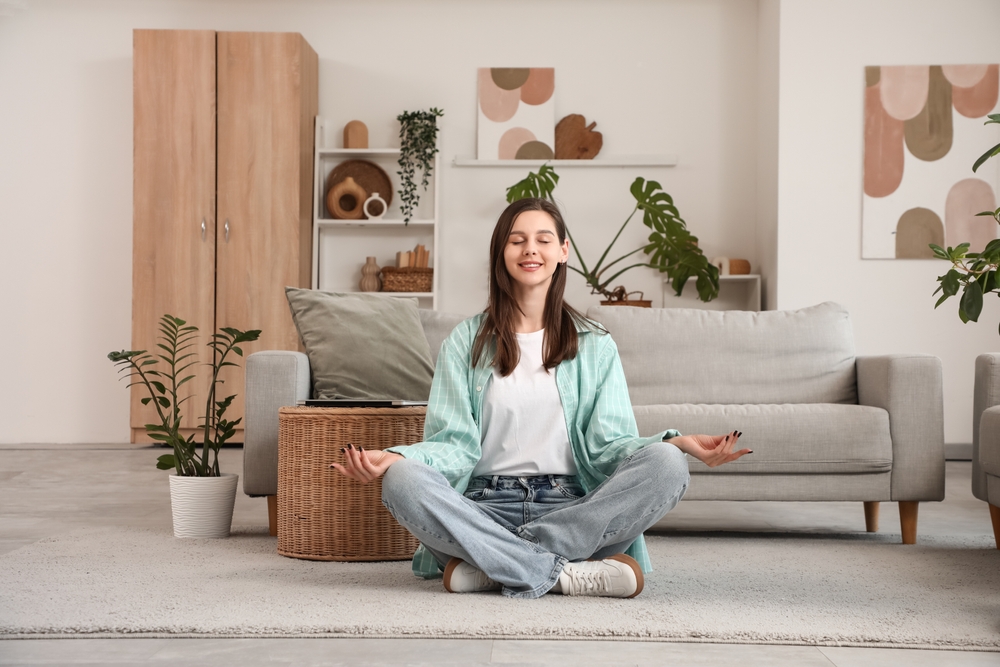
Planning spaces for changing lives, as priorities change over time
A good home should support the way you live now, but it should also be able to adapt as life changes. Families grow, work patterns shift, children become teenagers, older relatives may need support, and priorities can change over time.
Designing a home that grows with you is about flexibility. Rather than making every decision around a single immediate need, it means planning for how rooms, storage, layouts and outdoor spaces could serve different purposes over the years ahead.
Think beyond your current routine
It is natural to design a home around how life looks today. You may need a nursery, a home office, a playroom, guest space, or extra storage for hobbies and equipment.
However, some needs are temporary. A playroom may later become a study. A spare bedroom may become a dressing room, a guest room, or a space for an older child. Thinking ahead can help you make design choices that remain useful for longer.
Create flexible rooms
Flexible rooms are among the most useful features in a home. A room does not need to be large to be adaptable, but it should be easy to furnish, heat, light and use for different purposes.
A small bedroom, dining room or garden room can become more valuable when it has good sockets, suitable lighting, storage and enough space for different layouts. The more easily a room can change role, the more likely it is to continue working as your needs change.
Plan storage properly
Storage is often what makes a home practical over time. As households grow or routines change, belongings can quickly take over rooms that were meant to feel calm and functional.
Built-in cupboards, under-stairs storage, utility areas, loft space and well-planned wardrobes can make a big difference. Good storage need not be excessive, but it should be easy to access and designed around real life, not just how the home looks in photographs.
Make open-plan spaces work harder
Open-plan living can feel bright and sociable, but it needs careful planning to work long term. A large open space should still have clearly defined areas for cooking, eating, relaxing and possibly working.
Zoning can help. Furniture placement, rugs, lighting and changes to wall colour or texture can create structure without closing the room off completely. This helps the space feel flexible while still giving each area a clear purpose.
Consider privacy and quiet
As households change, privacy can become more important. Younger children may want to be close to adults, while teenagers, guests, or people working from home may need quieter areas.
A home that grows well should include spaces to gather and spaces to retreat. This might mean keeping a separate living room, improving sound insulation, creating a study corner, or ensuring bedrooms feel calm and private.
Think about future accessibility
Accessibility is easy to overlook until it becomes important. However, small design choices can make a home easier to live in over the long term.
Wider walkways, good lighting, level thresholds, practical bathrooms and a downstairs toilet can all support changing needs. These features can be useful for young children, visiting relatives, temporary injuries or later-life living.
Keep improvement plans realistic
Many people imagine extending or reconfiguring their home in the future. This can be a sensible plan, but it is worth checking whether the property truly supports those changes.
Before relying on a future extension, consider planning rules, garden space, neighbouring properties, structure and budget. A home with genuine potential can be a strong choice, provided the improvements are practical and affordable.
Choose durable finishes
A home that grows with you needs finishes that can withstand everyday life. Flooring, worktops, paint, handles and fittings should suit how the space will actually be used.
Durable does not have to mean plain or expensive. It means choosing materials that are easy to maintain, suitable for the room, and less likely to need replacing quickly as family life, pets, or routines change.
Connect indoor and outdoor space
Outdoor space can become more useful when it is planned as part of the home rather than as an afterthought. A garden, courtyard or balcony may support play, entertaining, gardening, quiet time or working from home.
Access, lighting, seating, storage and privacy can all affect how often the space is used. Even a small outdoor area can become more valuable when it feels integrated into everyday life.
Design for life, not perfection
A home that grows with you need not be perfect from day one. In fact, the most successful homes often leave room for change.
By choosing flexible layouts, practical storage and durable finishes, you can create a home that adapts to your life. The aim is not to predict every future need, but to give yourself enough options to adjust comfortably as life moves on.
A flexible home can support changing needs without constant reinvention
Whether you are adapting your current home or planning a future move, it can help to consider space, layout and long-term suitability together. To discuss your mortgage options, speak to Burlington Financial, telephone 01262 674988, or email enquiries@burlington-financial.uk.
THIS ARTICLE IS FOR GENERAL INFORMATION ONLY AND DOES NOT CONSTITUTE PROPERTY, FINANCIAL, LEGAL, TAX, DESIGN OR PLANNING ADVICE. PROPERTY SUITABILITY, IMPROVEMENT COSTS, PLANNING OUTCOMES AND FUTURE VALUE CAN VARY DEPENDING ON LOCATION, PROPERTY TYPE, MARKET CONDITIONS AND INDIVIDUAL CIRCUMSTANCES. THE INFORMATION CONTAINED WITHIN THIS ARTICLE WAS ACCURATE AT THE DATE OF PUBLICATION AND IS SUBJECT TO CHANGE.