
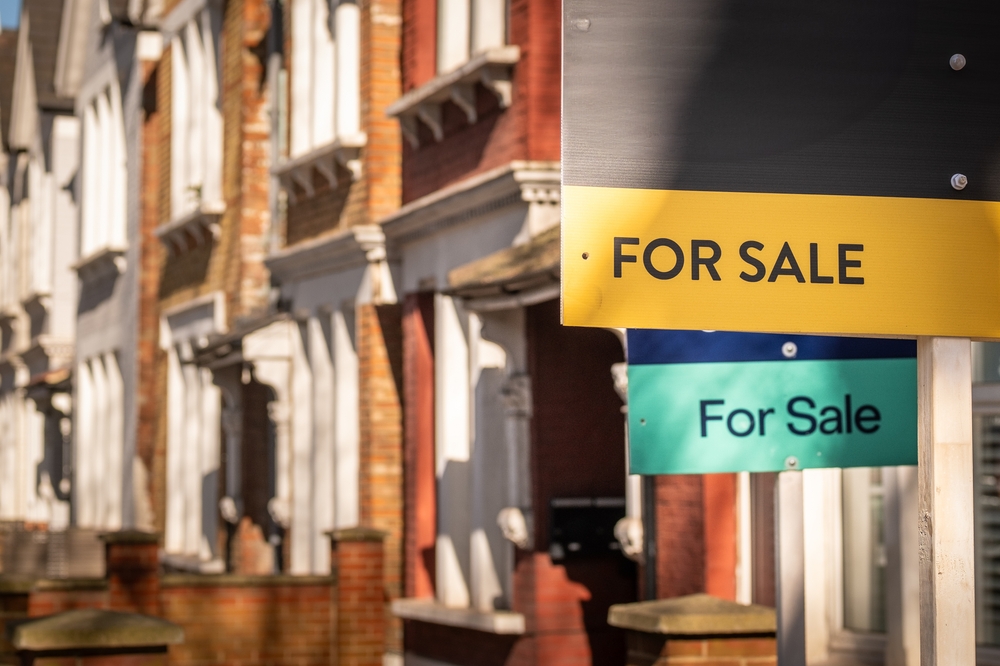
Understanding the selling timeline for a smoother sale and to reduce avoidable delays
Selling a house can take anywhere from a few weeks to several months, depending on the property, price, buyer demand and the chain involved. Some homes attract strong interest quickly, while others take longer to find the right buyer.
The timeline is also affected by what happens after an offer is accepted. Marketing the property is only one stage. Legal work, surveys, mortgage checks and chain coordination can all influence how long it takes to move from listing to completion.
Getting ready to go on the market
Before your home is listed, there is usually some preparation to be done. This may include choosing an estate agent, agreeing an asking price, arranging photography, preparing the property for viewings and ordering an Energy Performance Certificate.
This stage can be quick if the property is already well presented and the paperwork is straightforward. However, it may take longer if repairs, decorating, decluttering or professional cleaning are required before the home is ready to be marketed.
Marketing and viewing stage
Once the property is live, the next stage is to attract interest. In a strong local market, viewings may happen quickly, and offers may follow soon after. In a slower market, it may take longer to find a serious buyer.
Pricing plays an important role here. A property that is priced realistically for the area, condition and buyer demand is more likely to attract early enquiries. If the price is too high, buyers may wait, compare other homes or assume there is room to negotiate.
Receiving and accepting an offer
When an offer comes in, the seller needs to decide whether to accept, reject or negotiate. The highest offer is not always the strongest if the buyer is not ready to proceed.
A buyer’s position matters. A first-time buyer, a cash buyer, or a buyer with a mortgage agreement already in place may be able to move more quickly than someone who still needs to sell their own property. Your estate agent should help you assess the strength of each offer before you decide.
What happens after offer accepted
After you accept an offer, the sale moves into the legal and financial stage. Your solicitor or conveyancer will prepare the contracts, respond to enquiries and work with the buyer’s legal team.
The buyer may also arrange a survey and proceed with their mortgage application. If the survey raises concerns, there may be further questions, negotiations or requests for additional information. These steps can affect the overall timescale.
Role of the property chain
A chain can have a major impact on how long the sale takes. If your buyer also needs to sell their property and their buyer is linked to another sale, several transactions may need to complete together.
The longer the chain, the greater the risk of delays. Mortgage offers, searches, surveys, legal enquiries and moving dates all need to line up. Good communication between estate agents and solicitors can help keep the process moving.
Common causes of delay
Delays can happen for many reasons. Missing paperwork, slow searches, survey issues, mortgage delays, leasehold questions, or disagreements over completion dates can all slow the sale down.
Leasehold properties can take longer if management packs, service charge details or lease information are not readily available. Older properties or homes with building work may also lead to more enquiries if documents or certificates are missing.
How sellers can help the process
While sellers cannot control every part of the timeline, they can reduce avoidable delays. Choosing a solicitor early, completing forms promptly and gathering paperwork before a buyer is found can all help.
It is also useful to respond quickly to questions and keep in touch with your estate agent. If an issue appears, dealing with it early is usually better than letting it sit until exchange is close.
Exchange and completion
Exchange of contracts is the point at which the sale becomes legally binding. Before exchange, either party can usually withdraw. After exchange, the completion date is agreed, and both parties are committed to the transaction.
Completion occurs when the money is transferred, the sale is finalised, and the buyer can collect the keys. The time between exchange and completion can vary, depending on what both parties agree and how the moving arrangements are planned.
Selling with realistic expectations
There is no single timescale that applies to every house sale. A simple, chain-free sale may move relatively quickly, whereas a longer chain or a complex property can take considerably longer.
The right approach is to prepare early, price realistically and keep communication clear throughout. A smoother sale is often less about speed and more about reducing avoidable delays at each stage.
A house sale can move more smoothly when the key steps are prepared early
From choosing an agent to organising paperwork and understanding the chain, good preparation can help reduce delays and keep the sale moving. To find out more or discuss your mortgage options, speak to Burlington Financial, telephone 01262 674988, or email enquiries@burlington-financial.uk.
THIS ARTICLE IS FOR GENERAL INFORMATION ONLY AND DOES NOT CONSTITUTE PROPERTY, FINANCIAL, TAX OR LEGAL ADVICE. SALE TIMESCALES, BUYER DEMAND, LEGAL WORK AND COMPLETION DATES CAN VARY DEPENDING ON MARKET CONDITIONS, PROPERTY TYPE, CHAIN POSITION AND INDIVIDUAL CIRCUMSTANCES. THE INFORMATION CONTAINED WITHIN THIS ARTICLE WAS ACCURATE AT THE DATE OF PUBLICATION AND IS SUBJECT TO CHANGE.