
Thoughtful design for practical living, creating a space that’s right for you
A small garden can still make a great deal to how a home feels. Whether it is a courtyard, patio, balcony, terrace or compact lawn, outdoor space can become somewhere to relax, entertain, grow plants or simply enjoy a little fresh air.
The key is to treat the space with the same care as an indoor room. A small garden needs purpose, proportion and thoughtful design, so every area feels useful rather than cluttered or neglected.
Start with how you want to use it
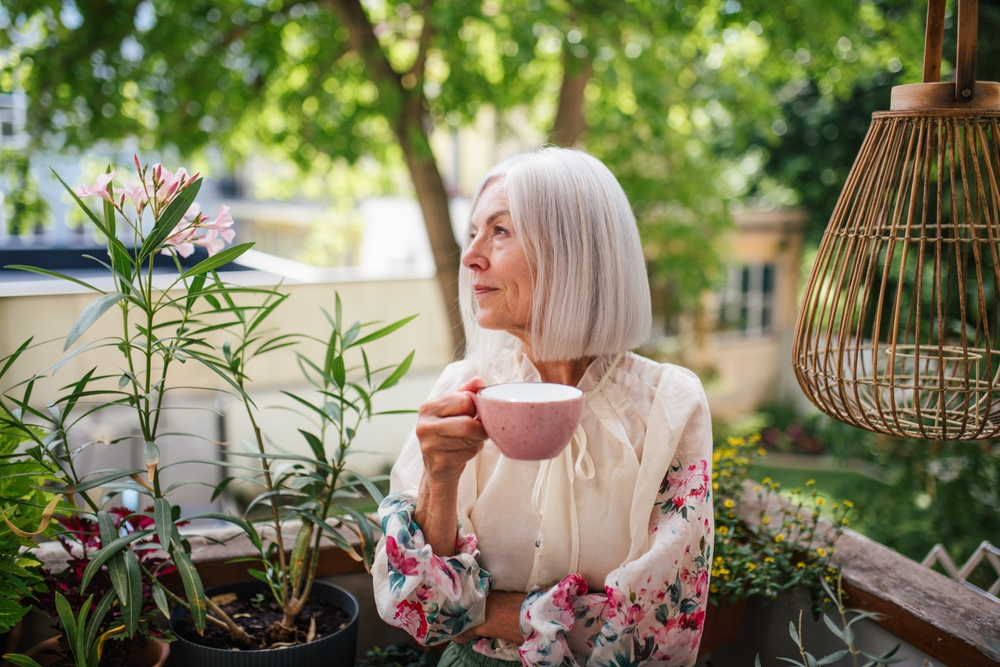
Before buying furniture or plants, think about what you want the garden to do. Some people want a quiet place for morning coffee, while others need a child-friendly space, room for pets, a growing area, or somewhere to host friends.
Trying to make a small garden do too many things can make it feel cramped. Choosing one or two main purposes can help you plan the layout more clearly and avoid filling the space with items that do not earn their place.
Create zones without overcrowding
Even a compact garden can have zones. A small seating area, a planting corner and a clear path can make the space feel more organised and easier to use.
These zones do not require walls or heavy dividers. Outdoor rugs, planters, changes in surface, lighting or furniture placement can subtly separate areas while keeping the garden open and easy to move through.
Choose furniture that fits properly
Oversized furniture can quickly overwhelm a small garden. Slimline tables, foldaway chairs, and benches with storage or built-in seating can help you create comfort without taking up too much floor space.
It is worth measuring carefully before buying anything. A piece that looks modest in a showroom may feel much larger at home, especially if you need enough room to walk around it comfortably.
Use vertical space well
When ground space is limited, walls, fences and railings become valuable assets. Vertical planting, hanging baskets, wall-mounted shelves and climbing plants can add colour and texture without taking up much room.
Tall planting can also soften boundaries and make the garden feel more established. However, it is important to avoid making the space feel boxed in. A balance of height, light and open areas usually works most effectively.
Keep planting simple
In a smaller garden, a restrained planting scheme can feel calmer and more considered. Too many plants, pots and colours can make the space feel busy.
Choosing a smaller selection of plants and repeating them can create a more polished effect. Evergreen plants can help the garden look good all year, while seasonal flowers can add colour when you want it most.
Make storage part of the design
Small gardens can quickly feel messy if tools, cushions, toys or gardening supplies have nowhere to be stored. Good storage helps the space stay usable and easier to maintain.
Storage benches, slim outdoor cupboards, wall hooks and compact sheds can all work well. The right storage blends into the garden rather than feeling like an afterthought.
Think carefully about surfaces
The surface underfoot can change how a small garden feels. Paving, decking, gravel, tiles or artificial grass can each create a different look and require a different level of maintenance.
A simple, consistent surface can make a small garden feel larger. If you mix materials, keep the palette calm so the space does not feel visually crowded.
Use light to extend the space
Lighting can make a small garden feel more inviting, especially in the evening. Soft wall lights, solar lanterns, low-level path lighting or string lights can create an atmosphere without taking up much space.
Good lighting can also help the garden feel connected to the house. When the outdoor space is visible and softly lit from inside, the whole property can feel more spacious.
Keep maintenance realistic
A small garden should feel enjoyable, not like another demanding job. Choosing low-maintenance plants, simple surfaces, and practical storage can help keep the space easy to manage.
This is especially important if you are preparing a property for sale. Buyers are more likely to respond positively to an outdoor area that feels attractive, usable and manageable.
Small spaces can leave a strong impression
A compact garden need not be large to feel valuable. With the right layout, planting, furniture and lighting, even a modest outdoor space can become one of the most appealing parts of a home.
The most effective small gardens feel intentional. They show buyers, homeowners and guests that every part of the property has been carefully considered and well used.
THIS ARTICLE IS FOR GENERAL INFORMATION ONLY AND DOES NOT CONSTITUTE PROPERTY, FINANCIAL, TAX, LEGAL OR DESIGN ADVICE. PROPERTY APPEAL, VALUE AND BUYER DEMAND CAN VARY DEPENDING ON LOCATION, MARKET CONDITIONS, PROPERTY TYPE, OUTDOOR SPACE AND INDIVIDUAL CIRCUMSTANCES.