
How to improve rental income without major refurbishment
Improving rental income does not always require a major refurbishment. While large upgrades can sometimes increase rent, they also entail cost, disruption and risk, especially when the return is uncertain.
For many landlords, the better starting point is to make the property easier to let, more comfortable to live in and more appealing to the right tenant. Small, well-planned improvements can boost demand without turning the property into a full renovation project.
Start with the presentation
A rental property that feels clean, bright and well cared for is usually easier to market. Tenants often make quick judgments from photographs, so presentation matters before they even book a viewing.
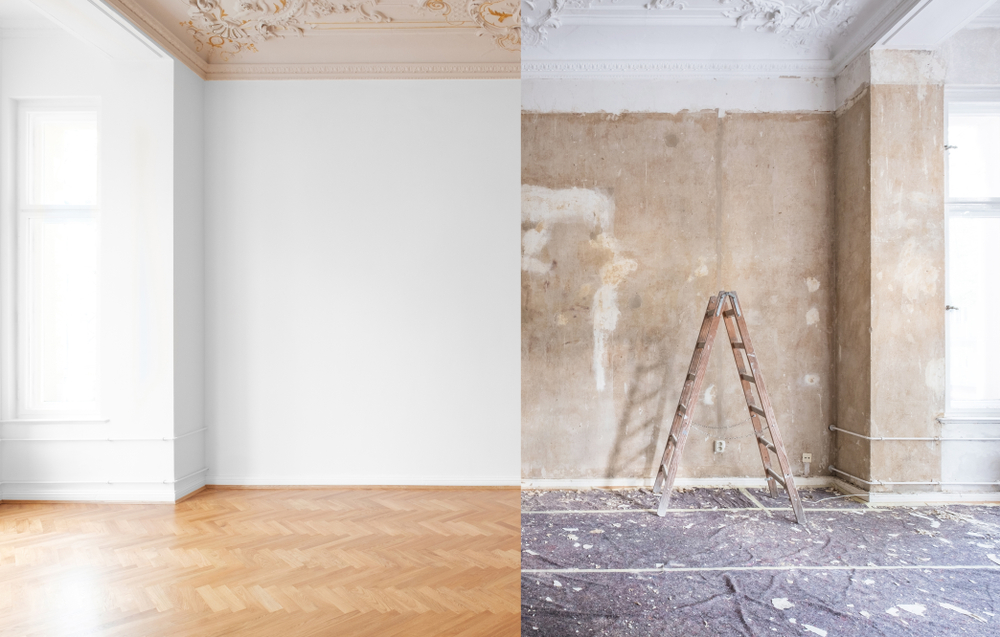
Fresh paint, clean flooring, tidy outdoor space and well-lit rooms can all improve first impressions. Neutral decoration often works well because it helps more tenants picture their own furniture and belongings in the property.
Improve the kitchen without replacing it
Kitchens can influence tenant appeal, but a full replacement is not always necessary. If the units are in good condition, smaller changes may be enough to make the room feel fresher.
Replacing handles, updating taps, improving lighting, resealing around worktops and deep-cleaning appliances can all lift the space. If doors or worktops are very tired, selective replacement may offer a more cost-effective improvement than starting again.
Refresh the bathroom
A clean, functional bathroom can make a rental property feel much more appealing. Tenants may be put off by mouldy sealant, poor ventilation, outdated fittings or worn flooring, even if the rest of the property is acceptable.
Simple improvements, such as new sealant, better lighting, a modern mirror, fresh flooring or a more powerful extractor fan, can make a noticeable difference. The aim is to create a bathroom that feels hygienic, practical and easy to maintain.
Make the property easier to heat
Comfort can influence how tenants feel about a home. A property that feels cold, draughty or expensive to run may be harder to let, particularly when tenants are aware of energy costs.
Landlords can often make practical improvements without major work. Draught-proofing, loft insulation, radiator maintenance, improved heating controls and LED lighting can all help make the property feel more efficient and comfortable.
Add useful storage
Storage can be a simple way to improve rental appeal. Many tenants value practical space for clothes, cleaning supplies, bikes, prams, work equipment or everyday household items.
Built-in wardrobes, hallway storage, bathroom cabinets, kitchen shelving or outdoor storage can make the property easier to live in. The right storage is simple, durable and suited to the type of tenant the property is likely to attract.
Review furniture and fittings
For furnished properties, the condition of the furniture matters. Old mattresses, worn sofas, unstable tables or mismatched furniture can make a property feel less appealing than it should.
This does not mean buying expensive items. Durable, simple and practical furniture is more suitable. Tenants usually want a home that feels clean, comfortable and functional, rather than overly styled.
Think about broadband and working from home
Many tenants now expect a home to support flexible working. A property with a dedicated desk area, good lighting and reliable broadband may stand out, especially among professional tenants.
This can be as simple as designating a spare room, alcove or quiet corner as a work-friendly space. Adding sockets, improving lighting or making the layout more flexible can help tenants see how the property fits modern routines.
Keep maintenance under control
A well-maintained property can foster better tenant relationships and reduce turnover. If small issues are ignored, tenants may become frustrated, and the property may feel less desirable over time.
Prompt repairs, regular checks and clear communication can all help protect rental income. A tenant who feels the property is well managed may be more likely to stay longer, reducing void periods and re-letting costs.
Review the rent realistically
Improving rental income is not only about increasing the monthly figure. It is also about reducing periods of vacancy, attracting reliable tenants and keeping the property competitive.
Before increasing rent, compare similar nearby properties and consider the property’s condition, location and tenant demand. A slightly lower rent with a good long-term tenant may sometimes be preferable to pushing the rent too high and facing a longer void.
Small changes can support stronger returns
Landlords do not always need major refurbishment to increase rental income. Often, the most effective changes are those that improve comfort, presentation, practicality and tenant confidence.
By focusing on the right improvements, landlords can make the property more appealing while keeping costs under control. The aim is not to overspend, but to make the home work better for the people who live there.
Improving rental income starts with understanding what tenants value and what the property can realistically achieve
Before funding upgrades or refinancing a rental property, it is worth reviewing the likely rent, improvement costs and long-term cash flow together. To discuss your mortgage options, speak to Burlington Financial, telephone 01262 674988, or email enquiries@burlington-financial.uk.
YOUR PROPERTY MAY BE REPOSSESSED IF YOU DO NOT KEEP UP REPAYMENTS ON A MORTGAGE OR OTHER LOAN SECURED AGAINST IT. BUY-TO-LET MORTGAGES ARE NOT USUALLY REGULATED BY THE FINANCIAL CONDUCT AUTHORITY. THIS ARTICLE IS FOR GENERAL INFORMATION ONLY AND DOES NOT CONSTITUTE PERSONAL FINANCIAL, TAX, LEGAL, PROPERTY OR INVESTMENT ADVICE. RENTAL INCOME, IMPROVEMENT COSTS, TENANT DEMAND, PROPERTY PERFORMANCE AND MORTGAGE AVAILABILITY CAN VARY DEPENDING ON INDIVIDUAL CIRCUMSTANCES AND MARKET CONDITIONS. THE INFORMATION CONTAINED WITHIN THIS ARTICLE WAS ACCURATE AT THE DATE OF PUBLICATION AND IS SUBJECT TO CHANGE.